Ticketmaster Refund
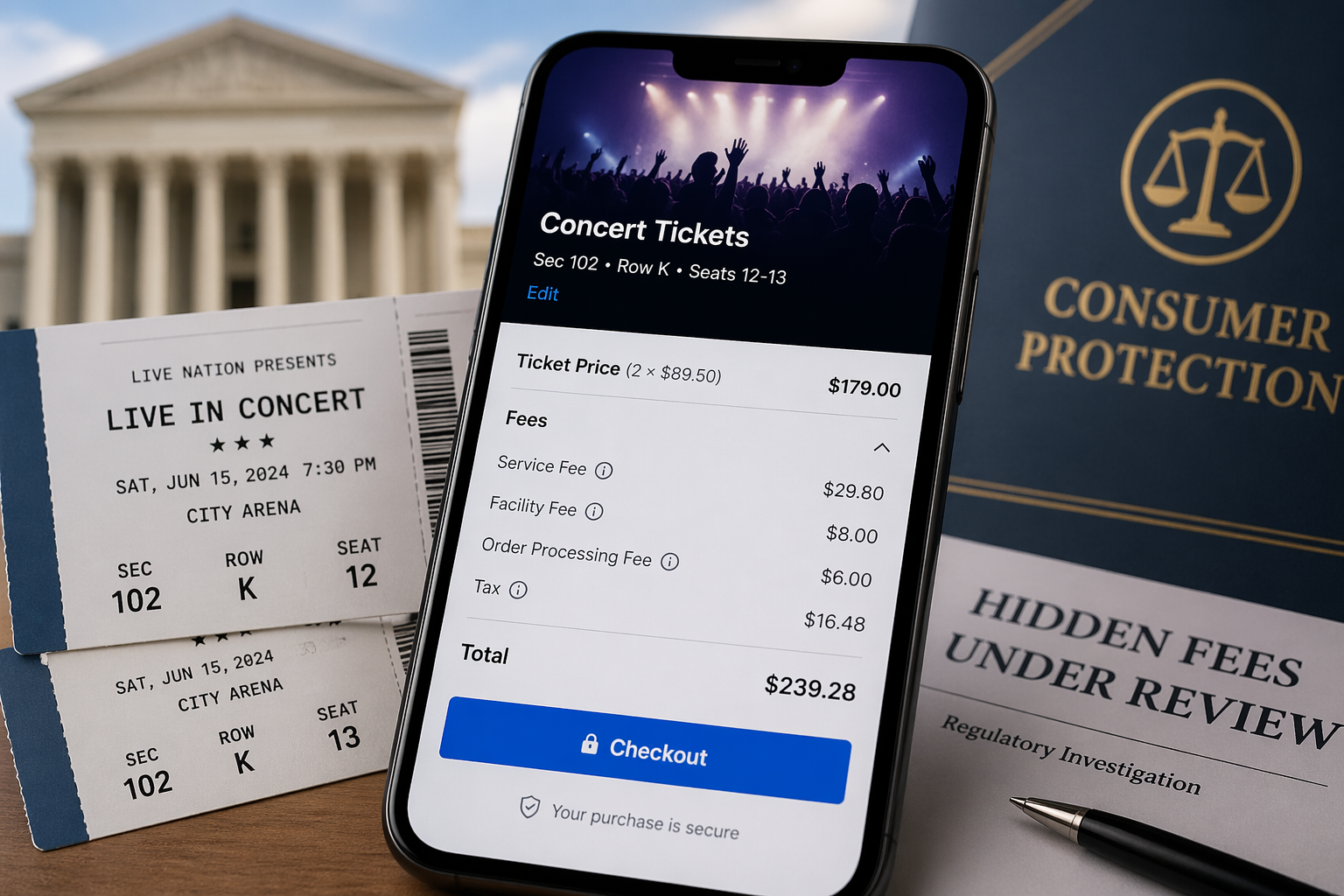
Ticketmaster is back in the news after the District of Columbia announced on April 20 that Live Nation, the company that owns Ticketmaster, agreed to pay $9.9 million to settle allegations that it used deceptive ticket pricing and sales tactics for years. The agreement matters for consumers because up to $8.9 million is earmarked for refunds, and because it requires Live Nation to keep showing more of a ticket’s real cost earlier in the buying process.
According to the D.C. attorney general’s office, investigators found that from 2015 through May 2025, Live Nation advertised ticket prices without mandatory fees and revealed the full cost only at checkout. Officials also said the company did not clearly explain the nature of some fees and used countdown clocks and “selling fast” messages that could create pressure to buy even when actual demand did not justify it. Live Nation agreed to the settlement but has denied wrongdoing, according to local reports.
Under the settlement, the company must continue displaying the full ticket price, including mandatory fees, on the selection page and throughout the purchase process, excluding taxes. It also must provide more information about what its fees are for, who benefits from them, and how ticket-hold timers work. D.C. officials said they will release details of the refund claims process in the coming months. For buyers in the District, that is the clearest immediate takeaway: some people who bought tickets through Ticketmaster or Live Nation over roughly the last decade may be eligible to get money back, but the process has not opened yet.
The case also lands at a moment of wider legal pressure on Ticketmaster and Live Nation. The D.C. settlement is separate from a larger antitrust fight over whether the company illegally monopolized parts of the live entertainment business. The Justice Department sued in May 2024. In March 2026, DOJ settled its claims, but D.C. and a bipartisan group of states continued the case, arguing the deal was not strong enough. On April 15, a jury found that Live Nation had illegally monopolized the live entertainment industry and concert ticketing services, and a judge still must decide remedies and damages.
Hidden fees are at the center of the story because regulators have been tightening scrutiny of so-called drip pricing across ticketing and other industries. The Federal Trade Commission’s rule on unfair or deceptive fees took effect on May 12, 2025, and bars bait-and-switch pricing and other tactics that obscure the total price for live-event tickets. D.C. officials said Live Nation changed its platform in 2025 in response to the local investigation and the FTC rule, and the new settlement now makes those changes part of a formal resolution.
For ordinary ticket buyers, this does not mean ticket prices will suddenly fall everywhere. The D.C. refund program is local, and the antitrust case has not yet reached the remedy stage. What to watch next is more concrete: refund instructions from D.C., whether Live Nation and Ticketmaster keep using all-in pricing and clearer fee disclosures, and what penalties or structural changes courts may ultimately impose in the broader monopoly case.